When an application fails, the worst way to find out is from a frustrated customer. Monitoring tells you when something is wrong, ideally before users notice, and helps you understand why.
Availability checks
Automated checks request key pages or endpoints regularly from outside your infrastructure. If they fail, someone is alerted. Check not only the home page but also important journeys, such as signing in or submitting a form.
Errors
Collect application errors in one place with enough context to diagnose them: what happened, where in the code and which request triggered it. Watch for new types of error after each release.
Performance
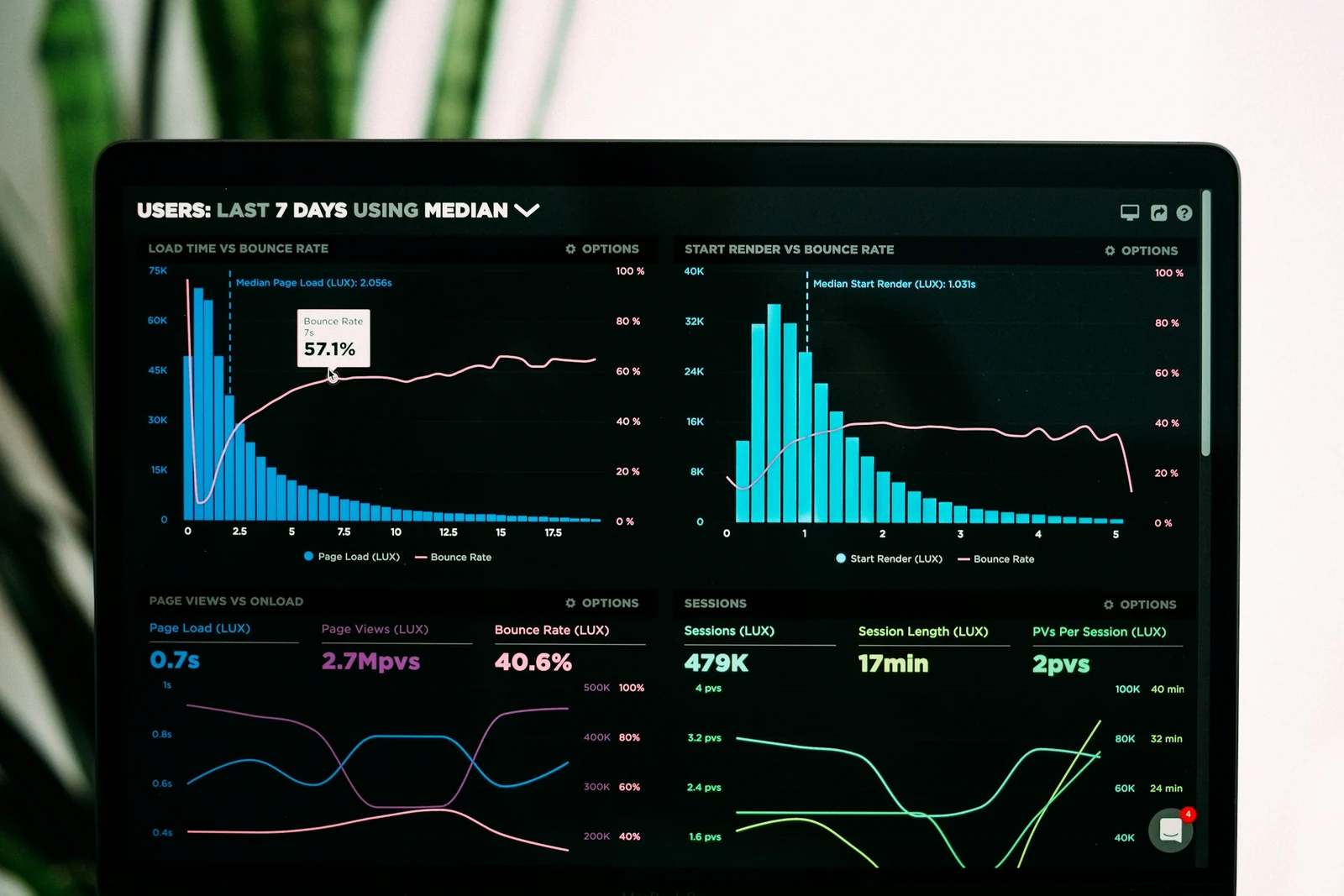
Track how long pages and API requests take. Averages hide problems, so look at slower percentiles too. A system where most requests are fast but some take many seconds will frustrate a noticeable share of users.
Resources
Monitor the server or platform resources the application depends on:
- processor and memory usage;
- disk space, which quietly fills with logs and uploads;
- database connections and query times;
- certificate expiry dates and domain renewals.
Logs
Structured logs record significant events, such as sign-ins, failed payments or integration errors. Keep them long enough to investigate problems, protect them like other sensitive data and avoid logging passwords or full personal records.
Alert thoughtfully
Too many alerts lead people to ignore them. Alert only on conditions that need action, route alerts to the people responsible and include enough information to start investigating. Review alerts after incidents and adjust thresholds.
Learn from incidents
After a significant problem, write a short review: what happened, how it was detected, how it was fixed and what will prevent it happening again. Focus on improving systems and processes rather than assigning blame.
Communicate with users
For customer-facing systems, a simple status page or prepared message helps you communicate clearly during an outage, reducing support pressure and maintaining trust.
Monitoring is not a one-off setup. As an application grows and changes, review what you measure so it continues to reflect what matters to users.