How to Digitize Paper-Based Factory Records Without Replacing Existing Machinery
A practical guide to digitizing handwritten factory records with reliable machine context, OCR, validation, provenance and audit history.
Practical knowledge about software, engineering, industrial operations, artificial intelligence and digital infrastructure. Explore clear explanations, implementation guides and engineering perspectives designed to help people make better technical decisions.
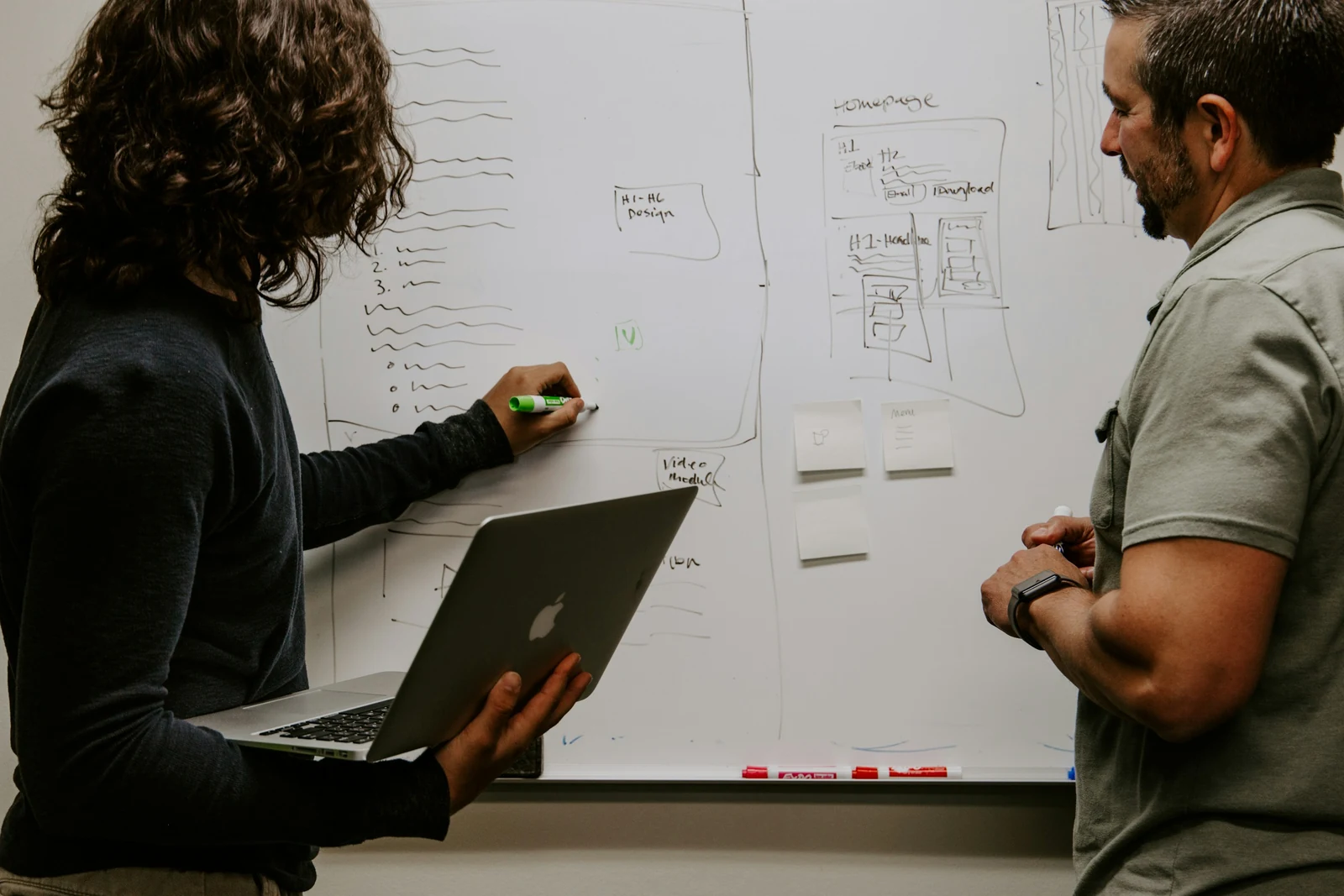
Explore answers to real business and engineering questions.
A practical guide to digitizing handwritten factory records with reliable machine context, OCR, validation, provenance and audit history.
Industrial data, factory operations, performance measurement and reliable records.
Architecture, software selection, APIs, integration and procurement.
Institutional websites, multi-site platforms, search visibility and digital trust.
Practical AI, OCR, data quality, trustworthy automation and evaluation.
Compare Excel, ERP and custom software using workflow fit, ownership, integration requirements and real total cost of ownership.
Learn which production, quality, maintenance and asset records a factory needs before considering AI analytics or prediction.
Find out why a business website attracts visits but few qualified enquiries, and audit clarity, trust, usability and conversion.
Understand industrial performance intelligence, traceable operating evidence, contextual machine records and trustworthy KPIs.
Plan centrally governed websites for branches, assemblies and institutions with local publishing, inheritance, permissions and SEO.
Understand handwriting OCR, field-level confidence, validation, risk-based review and responsible paper-to-digital capture.
Use focused assessments and checklists to explore your situation before making a major technology decision. These resources are educational, not certifications or vendor quotations.
Identify gaps in collection, context, quality and recoverability with eight practical questions.
Open resourceCompare spreadsheets, packaged software, custom software and hybrid approaches against your own priorities.
Open resourceReview clarity, trust, conversion, measurement and operations to build a practical website action plan.
Open resourceShowing all guides.
Review practical steps for protecting business and customer information in Zimbabwe, including access, backups and legal review.
Compare AI automation with deterministic workflow tools using accuracy, cost, consequences, risk and human verification.

A plain-language introduction to APIs and system integration: what they are, how systems exchange data and what to check before connecting two systems.
Learn what APIs do, how integrations fail, and which security and commercial questions business owners should ask.

How to design a document processing workflow that uses automation to extract and route information from forms and invoices while keeping people in control.

A practical approach to backups and disaster recovery: what to protect, how often, where to store copies and how to prove you can actually restore them.
A practical framework for choosing between off-the-shelf software, configuration of an existing platform, and a custom-built system for your organisation.
How retrieval-based AI assistants answer questions from an organisation's own policies and documents, and what it takes to make them accurate and trustworthy.

Compare traditional CMS platforms, headless CMS options and static sites, and choose the content management approach that suits your team and your website.
Compare shared hosting, virtual servers, managed platforms and on-premises servers, and the factors that decide where a business application should run.
Avoid common mistakes in custom software procurement, from vague specifications to missing acceptance tests and exit planning.

How to design reporting dashboards around decisions rather than data, with clear measures, sensible layouts and the right level of detail for each audience.

Practical techniques for building websites that load quickly and use little data, so they work well for visitors on mobile networks and limited bundles.

How to design roles and permissions so people can do their jobs without seeing or changing more than they should, including multi-level and branch-based access.
A plain-language guide to domain names, DNS records and business email, including ownership, renewals and the records that help email reach inboxes.
How to estimate the ongoing cost of AI features, plan for latency and failures, and design for consistent results before committing to production.
Compare Excel, ERP and custom software using workflow fit, ownership, integration requirements and real total cost of ownership.
The difference between tools for recording everyday transactions and full accounting systems, and how to decide which your business needs at each stage.

Compare fixed-price, time-and-materials and phased commercial models for software projects, with the risks of each and how to choose the right one.

The steps involved in releasing a mobile app to the Google Play Store and Apple App Store, from accounts and testing to review, staged rollout and updates.

How manufacturers can bring together machine, production and quality information that sits in separate places, so teams can see performance and act sooner.
Practical principles for collecting, storing and sharing personal data in business software, including data minimisation, access, retention and legal obligations.
Evaluate a software development company in Zimbabwe using technical evidence, security, procurement terms, maintenance and acceptance tests.
Learn how to integrate ERP, stock, accounting and operational systems using APIs, file imports, reconciliation and secure data ownership.
A practical guide to digitizing handwritten factory records with reliable machine context, OCR, validation, provenance and audit history.
Plan centrally governed websites for branches, assemblies and institutions with local publishing, inheritance, permissions and SEO.
Design maintainable multi-branch digital platforms with tenant isolation, publishing governance, templates and local SEO.

Practical advice for organisations commissioning software: roles, communication, decisions, feedback and ownership that keep a development partnership productive.
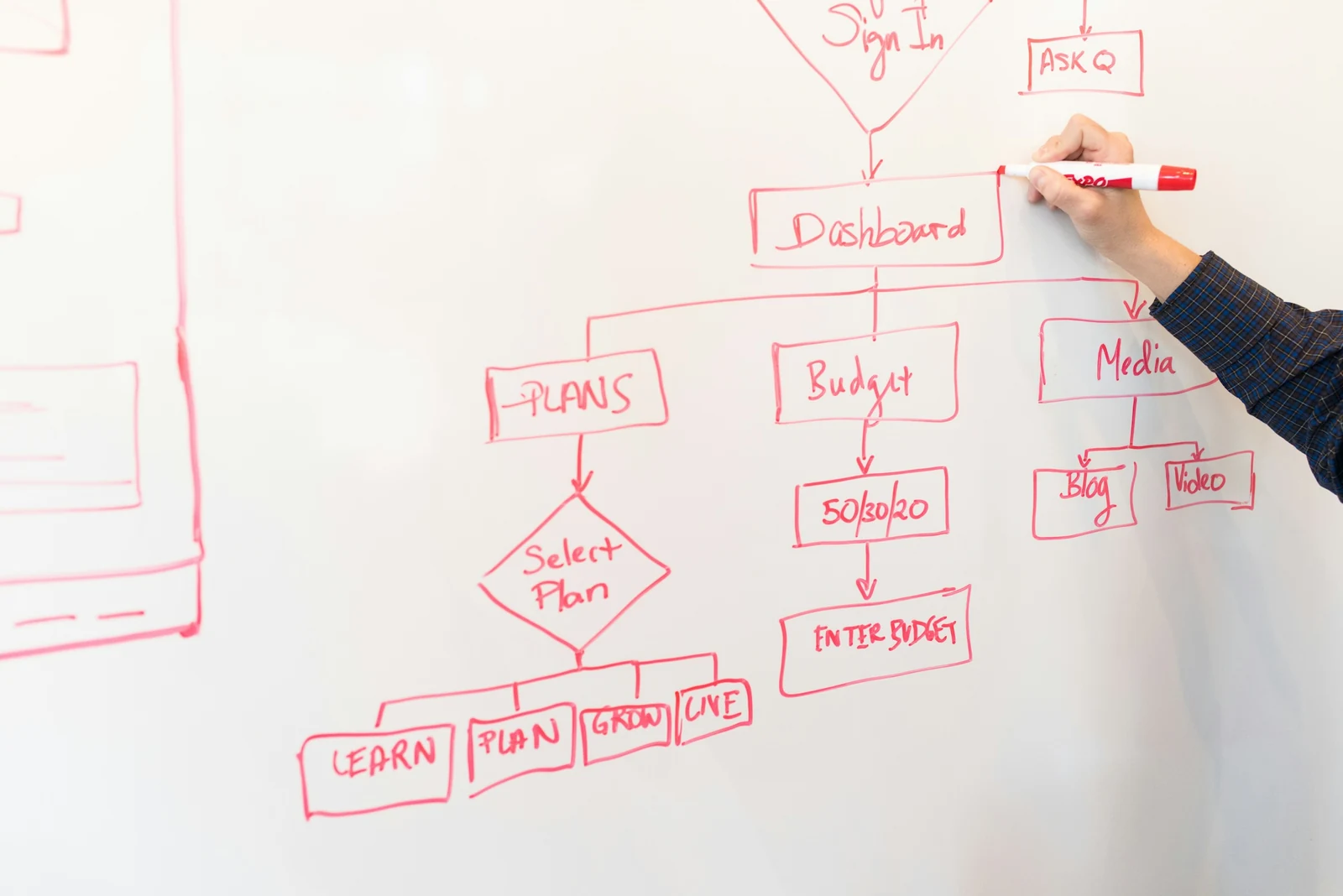
What to include in a software project brief so a development team can understand the problem, ask the right questions and give a realistic estimate.
Practical steps small businesses can take to see where cash comes from and goes, anticipate shortfalls and make better day-to-day financial decisions.
Compare real-time, scheduled batch and file-based integration patterns, and how to choose the right one for each flow of information between systems.
Understand why maintenance job-card durations do not equal machine downtime and how trustworthy performance metrics are defined.
What ongoing maintenance a mobile app needs after launch, including operating system updates, dependency upgrades, monitoring, security and user feedback.
How businesses that receive and pay in more than one currency can keep clear, consistent records and avoid confusion in reporting and reconciliation.
Why outdated libraries and frameworks become a security and maintenance risk, and a practical routine for updating dependencies safely and regularly.
How to assess an ageing system and choose between gradual refactoring, a full rewrite or replacement with a product, without disrupting daily operations.
What to monitor once an application is live: availability, errors, performance and resources, plus alerting practices that catch problems before users report them.
How to recognise when spreadsheets have become a risk, and how to plan a move to a structured system without losing data or disrupting daily work.
How to replace paper checklists, logs and forms in operations with digital records that are easier to complete, search and analyse, without losing what works.

How a single shared software platform can serve many branches, regions or member organisations while keeping their data and permissions properly separated.
Compare native, cross-platform and web-based approaches to mobile app development, and the factors that should decide which one suits your project.
Understand handwriting OCR, field-level confidence, validation, risk-based review and responsible paper-to-digital capture.
What overall equipment effectiveness (OEE) measures, how availability, performance and quality combine, and how to use OEE without misleading comparisons.
How offline-first design lets mobile apps keep working without a connection, store data safely on the device and synchronise reliably when the network returns.
Explore offline-first software, local operation, reliable synchronization, audit trails and security for connected and disconnected sites.
Practical account security for organisations: password guidance, multi-factor authentication, phishing awareness and secure handling of shared and administrator accounts.
What progressive web apps can and cannot do compared with app-store apps, and how to decide which delivery model suits your users and your budget.
Simple habits and structures that help businesses record income and expenses consistently, keep supporting documents and produce reliable financial summaries.
How to define a first software release that is small enough to deliver quickly but complete enough for real users to rely on and learn from.
The core security practices every business application should have, from secure authentication and encryption to input validation, updates and logging.
The technical and content foundations that help search engines find, understand and present a business website, based on search engine guidance.
Five simple financial summaries that help small business owners understand performance, spot problems early and make better decisions each month.
A clear explanation of the main levels of software testing, what each catches, and how a balanced testing approach keeps software reliable as it changes.

How to record equipment downtime consistently, classify its causes and use the results to prioritise maintenance and process improvements.
The essential accessibility practices for websites and web applications, from colour contrast and keyboard access to forms, images and testing.
A launch checklist for organisational websites covering content, structure, performance, accessibility, security, search visibility and ongoing ownership.
Learn which production, quality, maintenance and asset records a factory needs before considering AI analytics or prediction.
What a discovery phase involves, what it produces and why investing a little time before development reduces cost, risk and misunderstanding in software projects.
Understand industrial performance intelligence, traceable operating evidence, contextual machine records and trustworthy KPIs.

A practical guide to identifying business tasks where AI adds real value, the warning signs of a poor fit, and how to evaluate an AI idea before building it.
How continuous integration and automated deployment pipelines make software releases smaller, safer and more predictable, with checks before every change goes live.
How data quality problems undermine reporting, and the practical steps organisations can take to make their information accurate, consistent and trusted.
Why observing industrial systems without changing them is a sensible first step for data projects, and the safeguards that protect production and safety.
Find out why a business website attracts visits but few qualified enquiries, and audit clarity, trust, usability and conversion.
How to map, simplify and then automate business workflows such as approvals and notifications, so automation removes work instead of speeding up confusion.
How clear, testable acceptance criteria align clients and development teams on what 'done' means, with examples and a simple format to follow.
Try another term or choose a different topic.
Technology decisions carry real consequences. Zorithal Learn exists to make the engineering behind those decisions understandable. We explain how systems work, where they fail, what evidence is required and how organizations can apply technology responsibly. Our articles distinguish established facts from assumptions, and technical possibilities from verified product capabilities.
Explore Zorithal's software products and engineering services, or describe the operational problem your organization is trying to solve.
We use browser storage to remember your privacy choice. If you allow preferences, we also remember your light or dark theme. This site does not use analytics or advertising cookies.
Read about cookies and storage