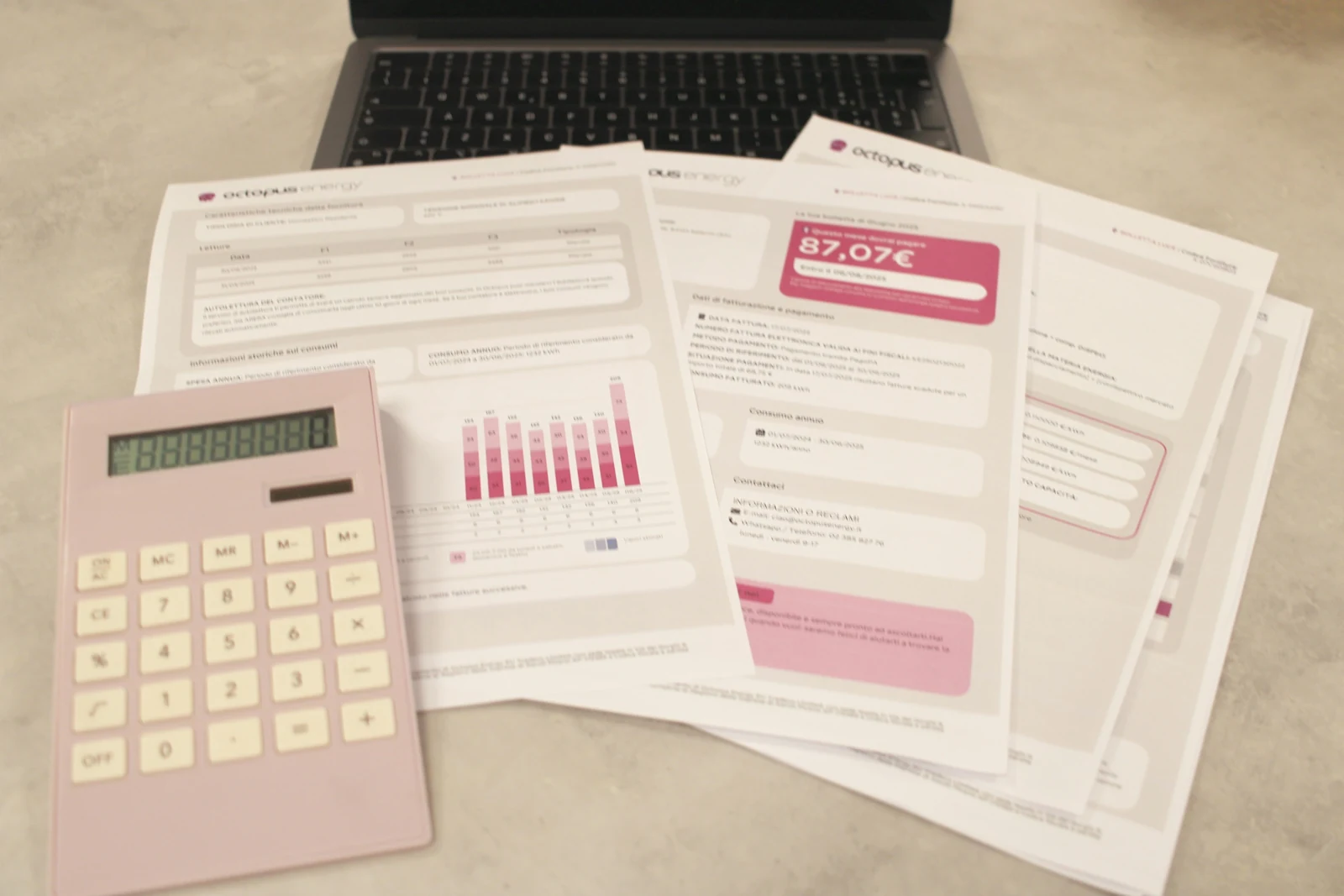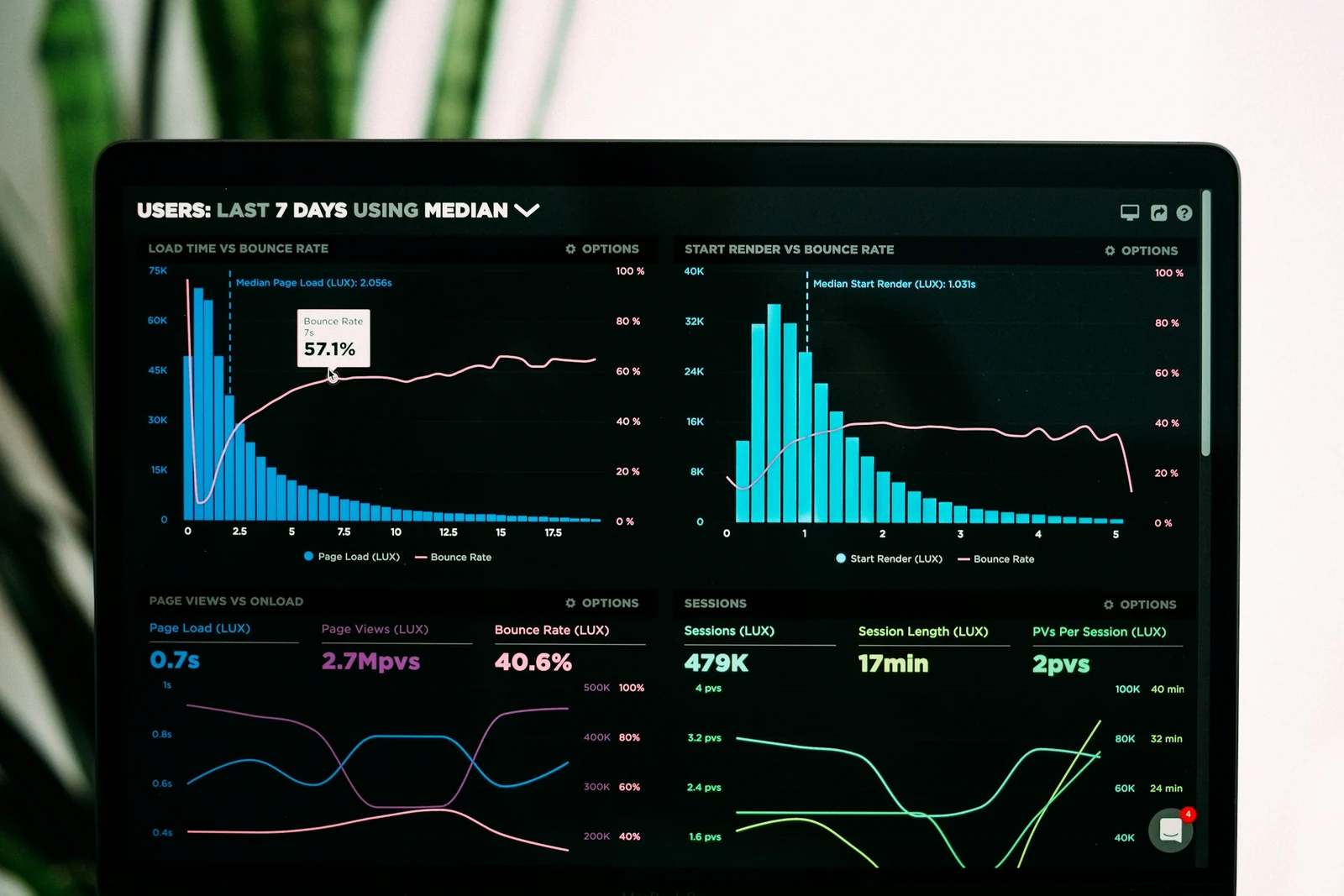
A dashboard can be beautifully designed and still be ignored. If managers find one wrong number, they stop trusting the rest and go back to their own spreadsheets. Data quality, not visual design, decides whether reporting is used.
Common data quality problems
- Duplicates: the same customer or product recorded more than once.
- Inconsistent formats: dates, names and codes written in different ways.
- Missing values: key fields left blank.
- Out-of-date records: information that was once correct but has changed.
- Conflicting sources: two systems reporting different figures for the same thing.
Prevent problems at the point of entry
The cheapest place to fix data is where it is created.
- Use dropdowns and validated fields instead of free text where possible.
- Check required fields before a record can be saved.
- Warn users when they may be creating a duplicate.
- Keep reference lists, such as branches or product codes, centrally managed.
Agree definitions
Many disagreements about numbers are really disagreements about definitions. What counts as a “sale”: an order, an invoice or a payment? When does a customer become “active”? Write definitions down and use them consistently in every report.
Name a source of truth
For each type of information, decide which system is authoritative. Other systems should copy from it rather than maintaining their own versions.
Monitor quality continuously
Automated checks can flag problems before they reach a dashboard: sudden drops to zero, impossible values, missing daily loads or totals that do not reconcile with source systems. Alert the right person when a check fails.
Show freshness and caveats
Dashboards should state when data was last updated and note known limitations. Transparency builds more trust than an appearance of perfection.
Assign ownership
Every important dataset needs an owner who understands it and is responsible for its accuracy. Without ownership, quality problems are noticed by everyone and fixed by no one.
Improve gradually
You do not need perfect data before reporting anything. Start with the measures that matter most, fix the problems that affect them, and expand from there. Each improvement makes the next report more trusted.