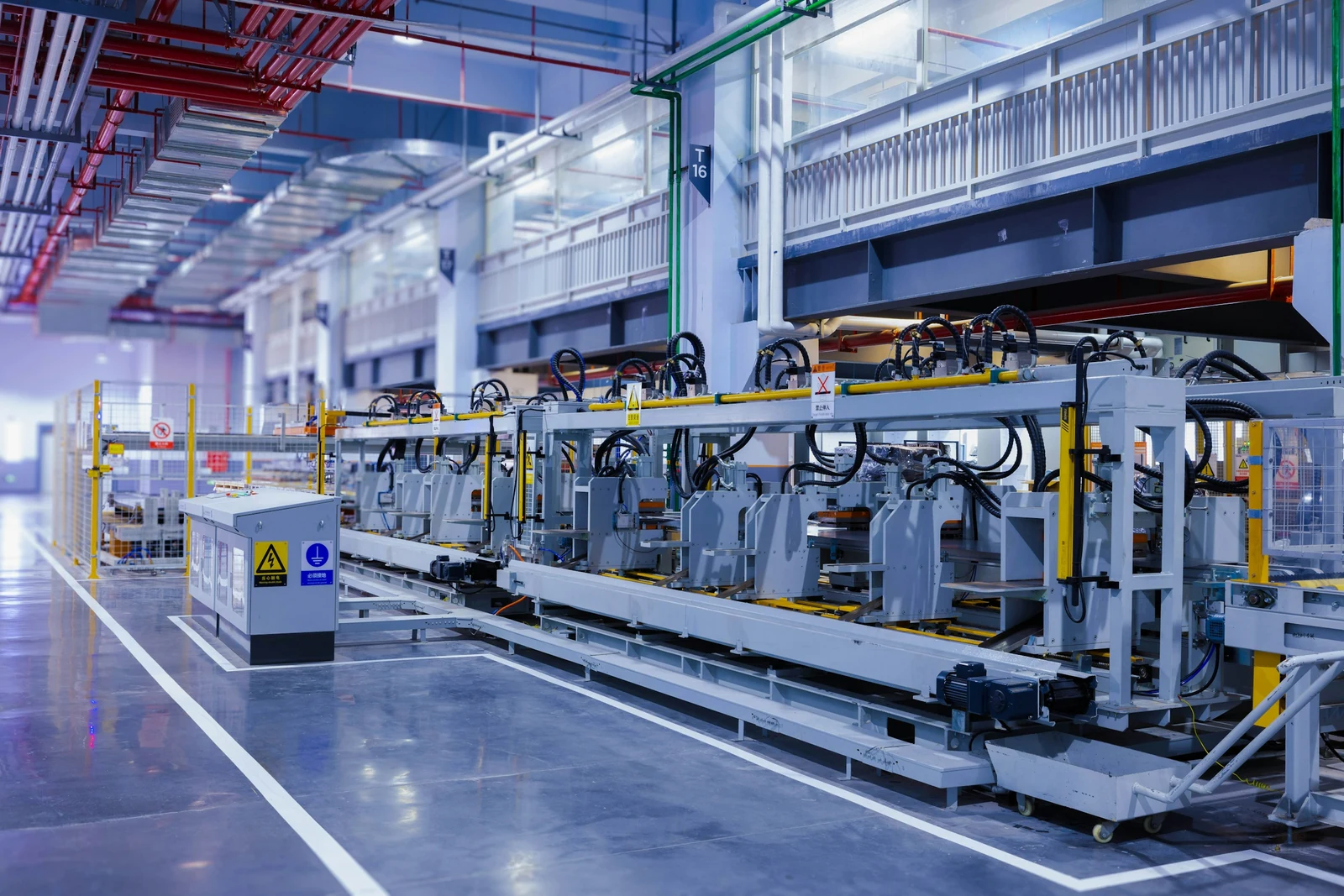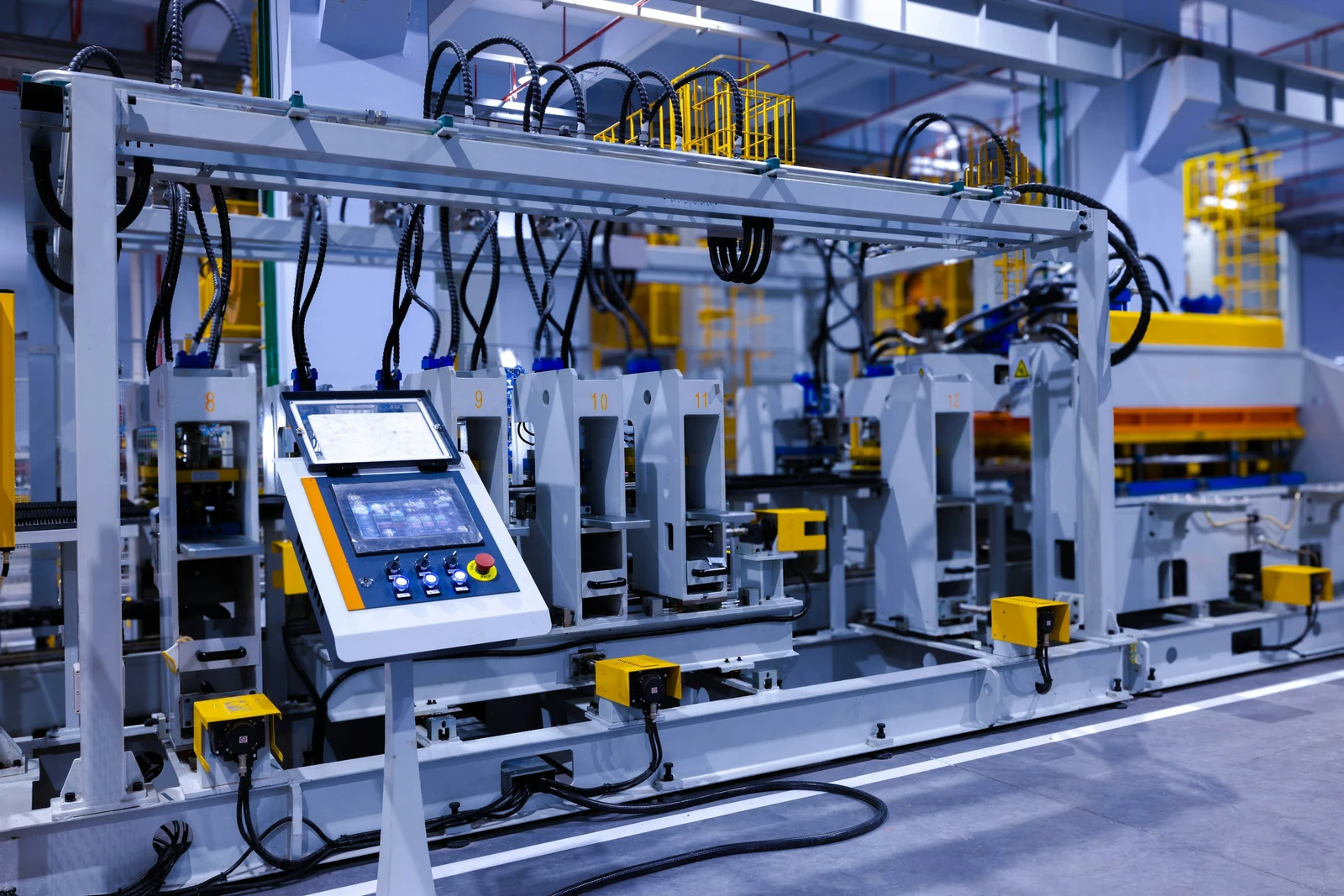
Downtime is one of the most significant and most poorly measured losses in many operations. Equipment stops for breakdowns, changeovers, material shortages and waiting, and each stop is often recorded differently, if at all.
Define what counts as downtime
Agree what you will measure. Common categories include:
- Unplanned stops: breakdowns and failures.
- Planned stops: scheduled maintenance, cleaning and breaks.
- Changeovers: switching between products.
- External causes: waiting for materials, operators or upstream processes.
Planned and unplanned time should be distinguished, because they call for different responses.
Record the start, end and reason
For each stop, capture when it started, when it ended and why. The reason is the most valuable part, and the hardest to collect consistently.
Use a reason list
Free-text reasons such as “machine problem” are difficult to analyse. A short, structured list of reasons, perhaps with two levels such as “mechanical” then “conveyor jam”, makes analysis possible. Keep the list short enough that operators can choose quickly, and review it as you learn.
Capture it at the time
Reasons recorded at the end of a shift are less accurate than those recorded during the event. Make entry quick, close to the equipment and easy on the devices available.
Combine with automatic signals
Where equipment can report its running state, downtime start and end times can be captured automatically, leaving operators to add only the reason. This improves accuracy and reduces the burden on staff.
Analyse the patterns
Once data accumulates, look for:
- the reasons that account for the most total downtime;
- frequent short stops, which add up even if each is brief;
- differences between shifts, products and machines;
- trends over time after changes are made.
A simple ranked chart of causes by total time often reveals where to focus first.
Turn findings into action
Use the results to prioritise maintenance, improve changeover procedures, address supply problems or adjust training. Then measure again to confirm the improvement.
Consistent downtime tracking replaces impressions with evidence, helping teams focus effort where it will make the greatest difference.